


Key Takeaways
- ➔Identifying 5×100 or 5×112 patterns is important for distributors and retailers.
- ➔The center bore is designed to fit and prevent vibrations that cause customer complaints.
- ➔The ball or conical seat is designed to provide a tight fit for the wheels.
- ➔The available stock of 66.6mm bore wheels with adapter rings can accommodate a wide range of car models.
- ➔Newer Audi models, especially EVs and SUVs, must follow high safety ratings to withstand the weight of the cars.
Precision is extremely important in the highly competitive wheel distribution industry. There’s a common assumption that all German-made vehicles have the same bolt patterns, but Audi bolt patterns differ by model. Understanding these differences will help retailers avoid costly fitment errors.
Most new Audis have 5 lug wheels to maximize performance and towing capacity. Besides, suppliers must also consider the hub’s diameter and brake caliper clearance when sourcing wheels for Audi vehicles.

Supplying the wrong wheel can cause vibration or mechanical failure. This guide covers in-depth information necessary to supply wheels for Audi. By understanding these variables, you can build your brand, reduce costs, and establish a long-term relationship with your customers.
Why the Audi Bolt Pattern Affects Long-Term Safety and Fitment
Audi hubs are designed to withstand extreme stress, such as high-speed driving and the heavy weight of contemporary Quattro systems. The vehicles experience intense side forces during cornering, which adds extreme stress on their wheel assembly components.
These conditions require a flawless connection between the wheel and the hub. A hardware failure occurs if the center hole or the Audi bolt pattern seat shape has even a slight mismatch.
The car’s weight transfers to the lug bolts when a wheel sits off-center on the hub. The “lug-centric” mounting method is risky because the bolts are designed to secure the wheel, not bear the vehicle’s weight.
By choosing high-quality wheels for Audi, the weight is distributed throughout the hub as intended. The system protects against metal wear while maintaining wheel stability even under aggressive driving conditions.
Audi Bolt Pattern Variations Based on Chassis Generation
The Pitch Circle Diameter (PCD) is the base of every Audi wheel set order. Audi has standardized many of its models, but some have special features that can be confusing to new or inexperienced retailers.
5×112 mm Bolt Pattern — The Modern Standard
This is the primary pattern across all current Audi models. It is needed for strength in high-performance sedans such as the A4, A6, and A8. It is also used in nearly all of Audi’s Q-series SUVs.
Whether you are restocking for an A5 or an RS6, the 5×112 Audi bolt pattern is the foundation of your inventory. It is a design meant for vehicles that can withstand the power of modern turbocharged engines and electric motors.
5×100 mm Bolt Pattern — Compact Applications
For smaller cars, Audi uses the 5×100 mm diameter to reduce space and weight. This is predominantly found in the Audi A1 and the first-generation of the Audi A3 (8L Chassis).
Another important aspect is that the original Audi TT (8N) also uses the smaller Audi bolt pattern, and it is vital to stock it separately from the 5×112 stock to prevent shipping mistakes in the order process.
5×130 mm Bolt Pattern — The Q7 Outlier
The first-generation Audi Q7, or 4L, has the same chassis as Porsche, hence the exclusive Audi bolt pattern, 5×130 mm. This is a risky area for retailers, as standard 5×112 wheels cannot be fitted.
When servicing a Q7 from the 2006 to 2015 model range, special attention must be paid to this heavy-duty model. Standard 5 lug wheels cannot be adapted for this model, so stock management is essential.

Center Bore Specifications and Hub Designs
The center bore (CB) is the most critical element for a smooth and vibration-free ride. The center bore determines how the wheel centers on the car’s hub. Alignment is the key to a professional installation.
| Hub Generation | Center Bore Size | Typical Application |
| Standard/Legacy | 57.1 mm | A3, TT, B5/B6/B7 A4, Older A6 |
| Modern Large Hub | 66.6 mm | B8/B9 A4, A5, A6, A7, Q5, e-tron |
| Heavy Duty (Q7 4L) | 71.5 mm | Audi Q7 (2006 to 2015) |
For retailers, the best strategy is to stock forged monoblock wheels with a 66.6 mm bore. These can be easily fitted to 57.1 mm hubs using precise hub-centric rings.
Explore KIPARDO Alloy Wheels
 1 Piece Forged Wheels |  2 Piece Forged Wheels |  3 Piece Forged Wheels |
Lug Seat Requirements — Ball versus Conical
Home installations often fail since people end up selecting the inappropriate hardware. As one of the few car manufacturers using a specific bolt shape for factory wheels, Audi models require careful hardware selection.
The OEM wheels normally have a rounded shape, called the Ball Seat type. However, most 5 lug wheels in the aftermarket require a 60-degree angled “Conical Seat” bolt for a secure connection.
To prevent the end-user from using factory bolts on aftermarket wheels, distributors must always include the correct bolts with wheel shipments.

Requirements by Wheel Manufacturing Method
The quality of a wheel determines how well it can withstand Audi’s high-performance standards. Distributors need to select wheels based on their use.
Cast wheels, though affordable, can have thicker hub faces that can cause fitting difficulties on tight hubs. Flow-formed wheels can offer better quality, but they still require the correct Audi bolt pattern alignment and hub rings for a correct fit.
Forged monoblock wheels are considered to be the highest quality and standard for Audi wheels. These wheels are precision-made to exact sizes, ensuring the Audi bolt pattern and center hole are precisely aligned for a perfect fit.
Distributing forged monoblock wheels indicates a dedication to high-quality engineering standards. This type of wheel eliminates common fitting problems such as seat wear and hub stress, making it an excellent choice for high-end Audi tuning shops.
Audi Wheel Fitment Standards
Every Audi wheel order requires verification through the car’s model number. Confirm beforehand whether the model has a 57.1mm or 66.6mm hub. The shipping process for Audi bolt pattern components becomes more efficient as this method reduces complaints for product returns.
The Audi S and RS models require brake clearance checks because they have larger braking systems. High-quality 5 lug wheels should provide sufficient clearance between the spokes, so that spacers are not required.
The wheel offset calculation must determine the ET value, which establishes the correct distance between the wheel and fender while maintaining the vehicle’s visual appearance.
Common Audi Fitment Challenges
Even when using the correct Audi bolt pattern, some technical issues may persist. Being prepared for these problems in advance can help distributors offer better services to their retail customers.
One major problem is that the wheel shakes due to a poor hub fit. When a 66.6mm wheel is placed on a 57.1mm hub without a hub ring, the wheel can never truly balance. Hub rings are a must-have accessory for Audi wheels.
The large brakes of the RS series can hit the spokes of the wheels. However, for the forged monoblock wheels, thin spokes are used for sufficient clearance while maintaining the proper Audi bolt pattern.
The length of the bolts is another important safety consideration. When using thicker forged wheels or spacers, factory bolts are usually not long enough. At least 7 full turns are needed for safe locking of the wheel onto the hub.
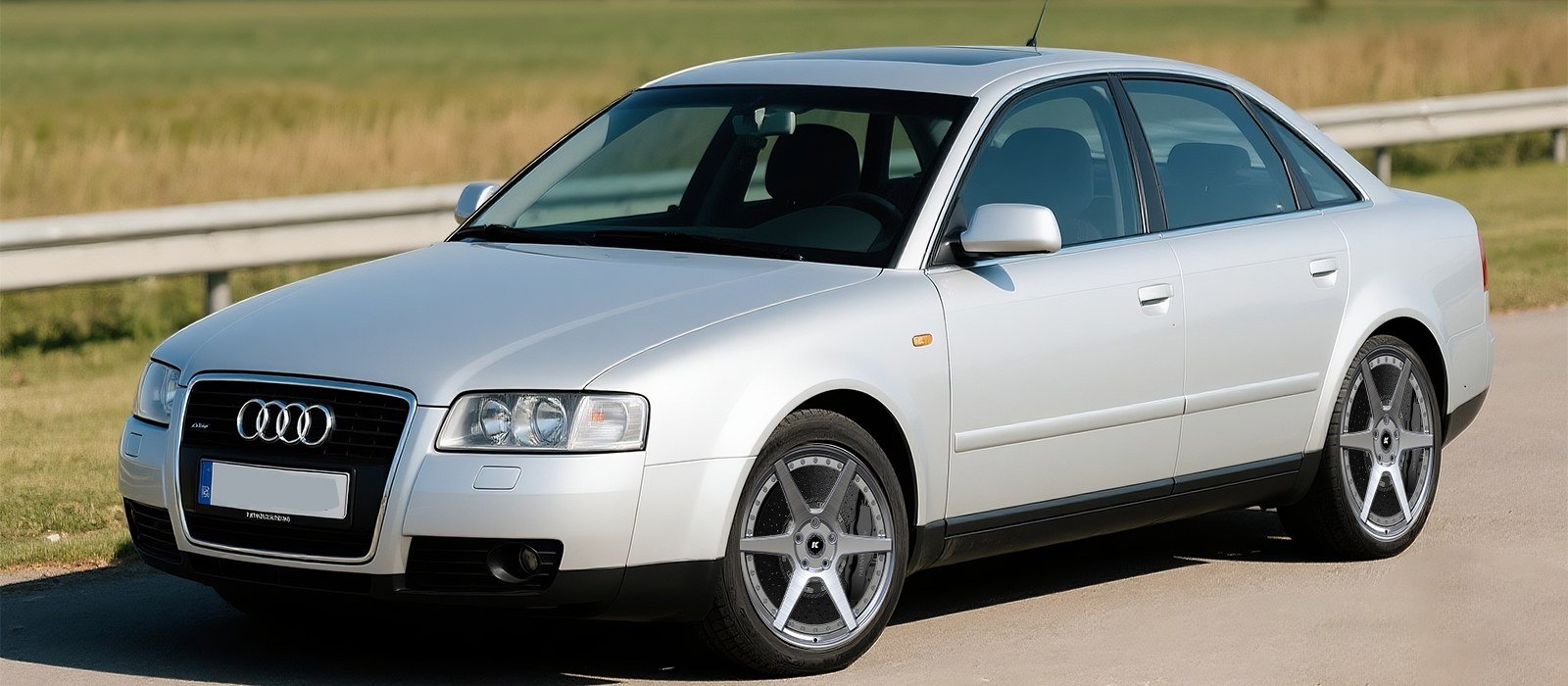
Audi Technical Specification Summary
This table summarizes the main fitment data for common Audi cars. Use this as a quick-reference guide for managing stock and answering customer questions.
| Model Series | Bolt Pattern | Center Bore | Standard Offset (ET) | Thread Size |
| Audi A1 | 5×100 | 57.1 mm | 30 – 40 | M14 x 1.5 |
| Audi A3 (Newer) | 5×112 | 57.1 mm | 42 – 50 | M14 x 1.5 |
| Audi A4 (Newer) | 5×112 | 66.6 mm | 35 – 45 | M14 x 1.5 |
| Audi Q5 / Q7 (Newer) | 5×112 | 66.6 mm | 25 – 38 | M14 x 1.5 |
| Audi R8 | 5×112 | 57.1 mm | 35 – 45 | M14 x 1.5 |
The Bottom Line
When working with different Audi models, it is important to note that there is more to Audi wheel fitment than just understanding what an Audi bolt pattern is.
Fitment issues usually lead to costly consequences. This is where accurate technical data helps. Checking for a center bore or seat mismatch in the shipping process is a hallmark of a professional wheel company.
Kipardo is committed to supporting the B2B market with accurate technical data and expertise. We make sure our Audi wheels are safe for all Audi vehicles.
If you are a wheel supplier and want to improve your Audi wheel sales, contact us today to access precision-engineered forged wheels designed for every Audi bolt pattern.
Frequently Asked Questions
What is the most common Audi bolt pattern?
As the standard for most contemporary models, the 5×112 mm pattern provides superior strength for high-performance driving and safety.

